
Blood Pressure: Importance, Risk Factors, Complications, and Prevention
Blood Pressure: Importance, Blood pressure is one of the most important indicators of circulatory system health and plays a fundamental role in delivering blood, oxygen, and nutrients to all organs of the body. Any abnormal increase or decrease in blood pressure can impair the function of the heart, brain, kidneys, eyes, and other organs. High blood pressure is one of the most common non-communicable diseases in the world and, if not diagnosed and treated in time, significantly increases the risk of heart attack, stroke, heart failure, and kidney failure. Fortunately, much of this disease can be controlled through prevention, early diagnosis, and a healthy lifestyle.
Introduction
The heart is the main organ of the circulatory system and is responsible for pumping blood to all parts of the body. When blood flows through the arteries, it exerts pressure on the walls of the vessels. This is called blood pressure.
Blood pressure is measured with two numbers:
- Systolic pressure: the pressure produced when the heart contracts.
- Diastolic pressure: the pressure present when the heart rests between two beats.
In a healthy adult, a blood pressure of around 120/80 mmHg is considered normal. Regular blood pressure measurement is the best and most reliable way to detect this disease, because many affected individuals have no obvious symptoms.
What Is High Blood Pressure?
High blood pressure, or hypertension, is a condition in which the pressure exerted on the walls of the arteries remains persistently above normal levels. According to World Health Organization guidelines, if blood pressure is 140/90 mmHg or higher in two separate measurements, the person is diagnosed with high blood pressure. In many cases, this disease has no symptoms, which is why it is called the “silent killer.”
Risk Factors
Risk factors are divided into two categories.
Non-modifiable risk factors
- Increasing age
- Family history of high blood pressure
- Genetic factors
Modifiable risk factors
- Excessive salt intake
- Obesity and overweight
- Physical inactivity
- Unhealthy diet
- Tobacco use
- Excessive alcohol consumption
- Chronic stress and psychological pressure
- Diabetes mellitus
- Chronic kidney disease
Symptoms of High Blood Pressure
In most cases, high blood pressure causes no symptoms for years; however, when blood pressure rises significantly, the following symptoms may appear:
- Severe headache
- Dizziness
- Blurred vision
- Chest pain
- Shortness of breath
- Nosebleeds
- Irregular heartbeat
If these symptoms occur, immediate referral to the nearest health facility is essential.
Complications of High Blood Pressure
If blood pressure remains uncontrolled for a long time, it can cause serious damage to different organs of the body, including:
- Heart attack
- Stroke
- Heart failure
- Kidney failure
- Damage to the retina and reduced vision
- Hardening and narrowing of the arteries
- Memory loss and an increased risk of dementia in old age
Diagnosis
High blood pressure can only be diagnosed by accurate measurement. For a correct result, blood pressure should be measured at rest, using a standard device, and on several occasions. In some cases, the doctor may also recommend home blood pressure monitoring or 24-hour ambulatory blood pressure recording.
Treatment
Treatment of high blood pressure is based on two main principles.
First: Lifestyle modification
- Reducing salt intake
- Eating a healthy and balanced diet
- Increasing consumption of fruits and vegetables
- Regular exercise
- Weight reduction in overweight individuals
- Quitting tobacco
- Reducing stress
- Getting enough sleep
Second: Drug therapy
If lifestyle changes alone are not sufficient, the doctor may prescribe antihypertensive medications. These medicines must be taken according to the doctor’s instructions and should never be stopped or changed without medical advice.
Prevention
To prevent high blood pressure, the following measures are essential:
- Limit salt intake.
- Eat a healthy and balanced diet.
- Engage in at least 150 minutes of exercise or physical activity per week.
- Maintain a healthy body weight.
- Avoid tobacco use.
- Refrain from excessive alcohol consumption.
- Manage stress.
- Measure your blood pressure regularly, especially if you are over 40 years old or if there is a family history of hypertension.
Important Note: Today’s Habits Shape Tomorrow’s Health
High blood pressure usually does not develop suddenly; rather, it is the result of years of poor eating habits, inactivity, obesity, tobacco use, and an unhealthy lifestyle. Therefore, the most effective way to prevent it is to begin healthy habits during adolescence and youth.
Scientific research shows that a balanced diet, regular physical activity, maintaining a healthy weight, and avoiding tobacco during young adulthood can significantly reduce the risk of developing high blood pressure and its complications later in life. Therefore, true prevention begins while a person is still healthy, not after the disease appears.
Conclusion
High blood pressure is one of the most important risk factors for heart, brain, and kidney diseases; however, it is also one of the conditions that can be largely prevented and controlled. Early diagnosis, regular blood pressure measurement, a healthy diet, physical activity, maintaining a healthy weight, and following the doctor’s advice play a vital role in preventing the complications of this disease.
Investing in health from a young age is the best way to have a healthy heart, healthy arteries, and a long, high-quality life.
Scientific References
- World Health Organization (WHO). Hypertension Fact Sheet.
- World Health Organization (WHO). Guideline for the Pharmacological Treatment of Hypertension in Adults (2021).
- American Heart Association (AHA). Guidelines for High Blood Pressure.
- European Society of Cardiology (ESC). Guidelines for the Management of Arterial Hypertension.
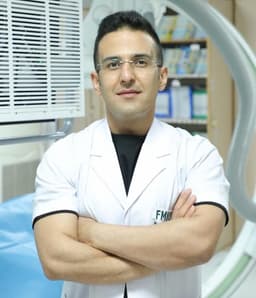
Compassionate heart care guided by expertise, experience, and a patient-centered approach.
Dr. Mohibullah Ahmadzai is a cardiology specialist with experience in angiography, angioplasty, echocardiography, stress testing, and Holter monitoring at FMIC and Abar Clinic in Kabul.